
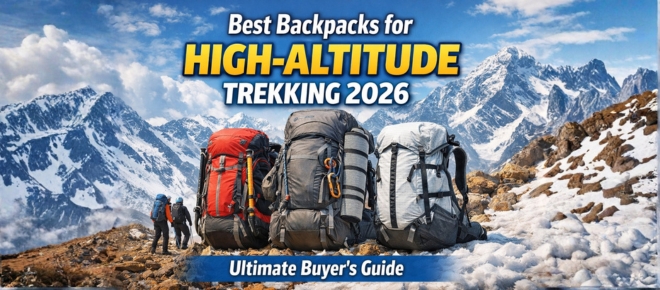
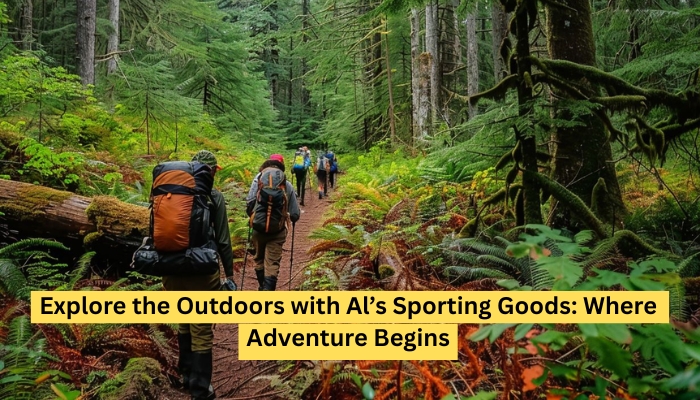
High-altitude trekkers testing expedition-ready backpacks in rugged alpine terrain.
High-altitude trekking is not just another outdoor adventure—it’s a test of endurance, preparation, and gear reliability. When oxygen levels drop and weather turns unpredictable, your backpack becomes more than storage; it becomes your survival partner.
That’s why choosing the Best Backpacks for High-Altitude Trekking 2026 is critical. Whether you’re heading to K2 Base Camp, Everest Base Camp, or tackling technical glacier routes, the wrong backpack can ruin your trek, while the right one can make every step smoother and safer.
In this detailed guide, you’ll find:
Let’s dive in.
At elevations above 4,000 meters, every gram matters. You’re dealing with:
A regular hiking backpack simply won’t perform here. High-altitude trekking backpacks are designed to balance load stability, weather resistance, and comfort under extreme stress.
High-altitude backpacks use:
These features reduce pressure on shoulders and keep your center of gravity stable on steep terrain.
The best backpacks in 2026 focus on:
Every unnecessary gram is eliminated without sacrificing durability.
High-altitude trekking often means:
Top backpacks use cold-resistant buckles, oversized glove-friendly zippers, and fabrics tested for extreme temperatures.
You’ll find:
Modern trekking packs now include:
Durability is non-negotiable when trekking above the clouds.
High-quality backpacks use:
These materials resist abrasion from rocks, ice, and repeated loading.
Critical areas like:
are double-stitched or bartacked to prevent catastrophic failure mid-trek.
.jpg)
Pros
Exceptional load stability
Cons
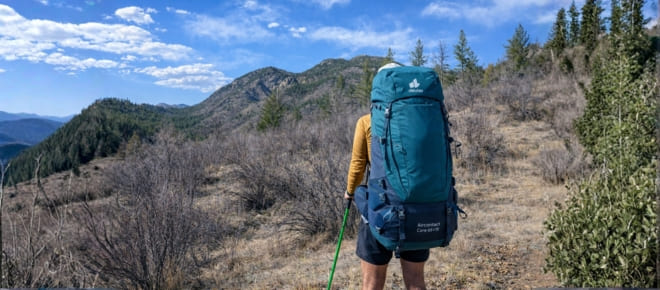
Pros
Excellent ventilation
Strong hip belt support
Expandable capacity
Cons
Bulkier profile
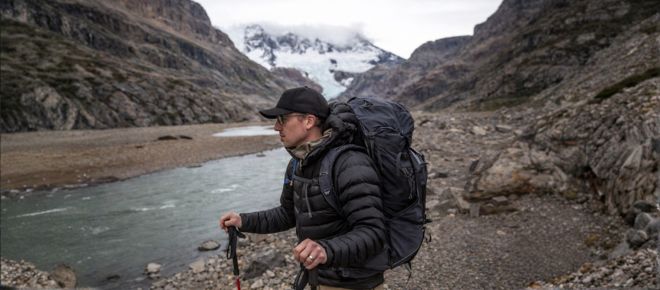
Pros
Outstanding weight transfer
Premium padding
Ideal for porter-less treks
Cons
Overkill for short treks
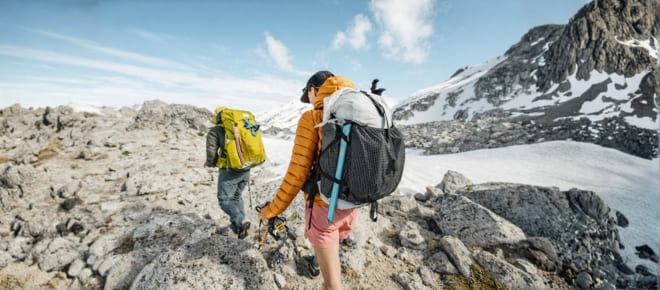
Pros
Extremely lightweight
Waterproof Dyneema fabric
Minimalist design
Cons
Expensive
Less padding for beginners
|
Backpack |
Capacity |
Weight |
Best For |
|---|---|---|---|
|
Osprey Aether Plus |
70L |
Medium |
Multi-week treks |
|
Deuter Aircontact |
65+10L |
Medium |
Comfort seekers |
|
Gregory Baltoro |
75L |
Heavy |
Heavy loads |
|
Hyperlite Southwest |
55L |
Ultralight |
Fast & light trekkers |
Pros
Designed for extreme weather
Superior load management
Long-term durability
Safer movement on technical terrain
Cons
Higher price point
Heavier than standard hiking packs
Overkill for low-altitude treks
Many trekkers struggle not because of fitness, but because of poor gear choices. A backpack that rubs, shifts, or leaks can drain your energy faster than the altitude itself.
When narrowing down the Best Backpacks for High-Altitude Trekking 2026, it also helps to understand how gear performs in real mountain conditions. Insights from the Baltoro Glacier Trek and Baltoro gear review show what actually holds up on long glacier routes, while the K2 Base Camp trek packing list for 2026 offers a realistic look at what’s worth carrying—and what isn’t—on a demanding expedition.
Use these as practical references and tailor your gear choices to your own trekking style.
Here’s something most trekking blogs won’t tell you.
When purchasing high-altitude trekking gear online, apply the MBBReviews Coupon Code at checkout (where available). This hidden discount can save you money on premium backpacks, trekking accessories, and expedition gear—making high-quality equipment more accessible.
Always check before finalizing your purchase.
Most trekkers need 60–75 liters depending on trip length and porter support.
Yes, but only for experienced trekkers who pack efficiently and trek fast.
Water-resistant with a rain cover is usually better for durability and breathability.
Ideally 1.2–2.5 kg, excluding gear.
Backpacks with strong load transfer like Gregory Baltoro or Osprey Aether perform best.
Absolutely. Comfort, safety, and durability justify the investment at altitude.
The Best Backpacks for High-Altitude Trekking 2026 are not about brand hype—they’re about performance under pressure. Choose based on:
Invest wisely, pack smart, and your backpack will support every step of your journey above the clouds.
.jpg)



Comments