
.jpg)
Essential K2 Base Camp trekking gear for the Baltoro Glacier trek 2026
The K2 Base Camp Trek is not just another high-altitude hike—it’s one of the most remote, demanding, and rewarding trekking experiences on Earth. Located deep in Pakistan’s Karakoram Range, this trek tests your endurance, preparation, and gear choices like few others.
Unlike Everest Base Camp, the K2 trek has no tea houses, limited rescue options, extreme weather swings, and long glacier walks. Your success—and safety—depends heavily on what you pack.
This K2 Base Camp Trek Packing List (2026 edition) is built from real Baltoro Glacier trekking experience, updated gear reviews, and lessons learned from trekkers who’ve completed the journey. It also integrates insights from my latest guides:
Let’s get you fully prepared.
Before packing, it’s important to understand what you are preparing for. During the trek, daytime temperatures can be warm under direct sun, while nights regularly fall below freezing. Wind chill on the glacier can feel brutal, even in peak season. You’ll walk for hours on rock, ice, and moraine, often carrying a daypack at High Altitude.
Because rescue options are limited and weather can delay evacuations, self-reliance through proper packing is non-negotiable. Every item should support warmth, hydration, safety, or energy conservation.
Clothing for the K2 Base Camp Trek is not about fashion—it’s about survival and comfort. A proper layering system allows you to adapt to changing conditions throughout the day without overheating or freezing.
Base layers are worn closest to the skin and should manage sweat efficiently. Moisture-wicking thermals help keep your body dry, which is critical at altitude where wet clothing can quickly lead to hypothermia. Mid layers provide insulation and should trap body heat without restricting movement. A fleece or lightweight insulated jacket works well here.
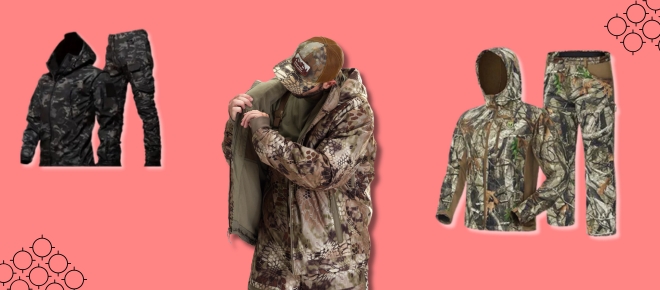
Outer layers are your shield against wind, snow, and rain. A waterproof, breathable shell jacket and pants protect you from sudden storms and strong glacier winds. Accessories like gloves, hats, and neck gaiters are small items that make a big difference, especially during early morning starts and cold evenings in camp.
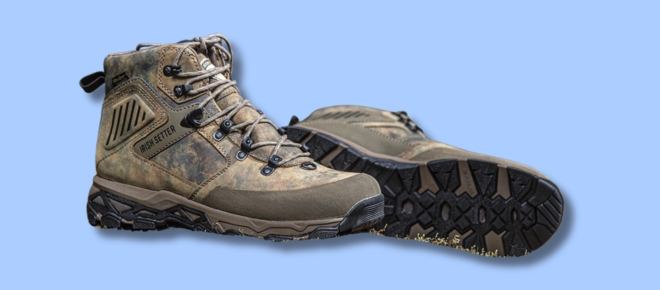
Footwear is one of the most important components of your K2 Base Camp Trek Packing List. The Baltoro Glacier is unforgiving, with sharp rocks, loose gravel, and long walking days. A sturdy, high-ankle trekking boot provides stability and protects your feet from injury.
Your boots should already be broken in well before the trek. New footwear is a common cause of blisters and foot pain. Along with boots, trekking socks made from wool or synthetic blends help regulate temperature and reduce friction. Camp shoes or sandals may seem optional, but they provide much-needed relief after long days on the trail.
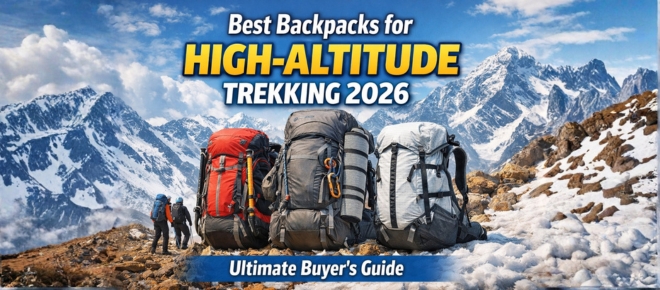
On the K2 Base Camp Trek, your backpack becomes an extension of your body rather than just a storage item. Even though porters handle the main expedition load, the backpack you carry each day plays a critical role in how comfortable and efficient you feel at high altitude. Long walking hours across glaciers and rocky moraines mean that poor weight distribution can quickly lead to shoulder pain, lower-back strain, and fatigue.
A well-designed trekking backpack should sit snugly against your hips, allowing your legs—not your shoulders—to carry most of the weight. Adjustable shoulder straps, load lifters, and a supportive hip belt are especially important when your energy levels are already reduced by altitude. Ventilation in the back panel also matters, as it helps reduce sweat buildup during warmer sections of the trek. Choosing a durable, properly fitted backpack ensures smoother movement, better balance, and less physical stress, allowing you to focus on the landscape instead of discomfort.
Sleep quality directly affects your energy, mood, and ability to acclimatize. Nights on the Baltoro can be extremely cold, even in July and August. A sleeping bag rated to –20°C is strongly recommended.
An insulated sleeping pad is equally important, as much of your body heat is lost to the ground. Without proper insulation, even the warmest sleeping bag will feel inadequate. Some trekkers also use a sleeping bag liner for added warmth and hygiene, though it’s optional.
Trekking poles are not optional on the K2 Base Camp Trek. They significantly reduce strain on your knees and improve balance while crossing glaciers and uneven terrain. A reliable headlamp is essential for early starts and navigating camp at night.
Glacier sunglasses with strong UV protection protect your eyes from snow blindness, while sunscreen and lip balm prevent severe sunburn at altitude. Carrying water purification tablets or a filter allows you to safely refill bottles along the trail, reducing plastic waste and dependency on bottled water.
Your personal health kit should include blister treatment, pain relief medication, and any personal prescriptions. Altitude-related medication should only be taken after consulting a medical professional. Wet wipes, quick-dry towels, and biodegradable soap help maintain hygiene during long stretches without showers.
Keeping copies of important documents, such as your passport and insurance, is also wise. These should be packed in waterproof bags to protect them from moisture.
|
Expense |
Cost (USD Approx.) |
|---|---|
|
Trek Package |
$2,200 – $3,500 |
|
Flights |
$800 – $1,200 |
|
Personal Gear |
$700 – $1,500 |
|
Tips & Extras |
$200 – $300 |
Total Estimated Cost: $3,900 – $6,000
The total cost of trekking to K2 Base Camp varies depending on services, gear ownership, and travel season. Most guided packages range between $2,200 and $3,500, covering permits, staff, food, and logistics. Flights, personal gear purchases, and tips add to the overall expense.
Investing in quality gear upfront may seem expensive, but it often saves money in the long run by preventing discomfort, injuries, or the need for last-minute replacements.
Many trekkers agree that packing correctly determines whether the trek feels manageable or miserable. Common regrets include underestimating cold temperatures, bringing poor-quality sleeping bags, or choosing uncomfortable backpacks. Positive reviews consistently highlight the importance of layering, reliable footwear, and lightweight but durable gear.
|
Feature |
K2 Base Camp |
Everest Base Camp |
|---|---|---|
|
Crowd Level |
Very low |
Very high |
|
Comfort |
Expedition style |
Lodge based |
|
Difficulty |
Higher |
Moderate |
|
Infrastructure |
Minimal |
Well developed |
If you are upgrading your gear for the K2 Base Camp Trek Packing List, you can reduce costs by using the Baltoro secret coupon code available at MBBReviews. These deals often include discounts on backpacks, sleeping bags, and technical clothing suitable for high-altitude trekking.
Checking MBBReviews before any purchasing can help you save hundreds of dollars, especially when buying premium trekking equipment.
Some items are available, but quality can vary. Critical gear like boots and sleeping bags should be personally owned.
A well-packed daypack should weigh between 5–7 kg, containing only essentials.
Crampons are usually not required, but trekking poles are essential.
The K2 Base Camp Trek Packing List is your blueprint for safety, comfort, and success. Packing thoughtfully allows you to focus on the experience rather than discomfort. With the right preparation, quality gear, and smart use of available deals, the journey to K2 Base Camp becomes not just achievable—but unforgettable.


Comments