
.jpg)
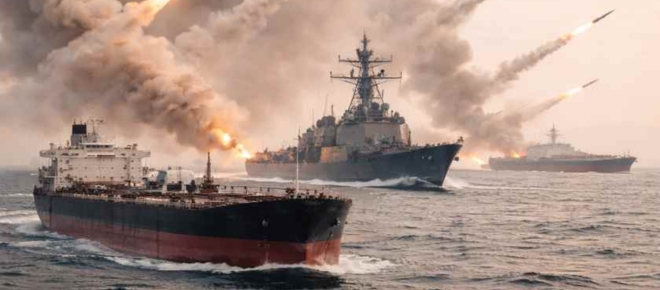
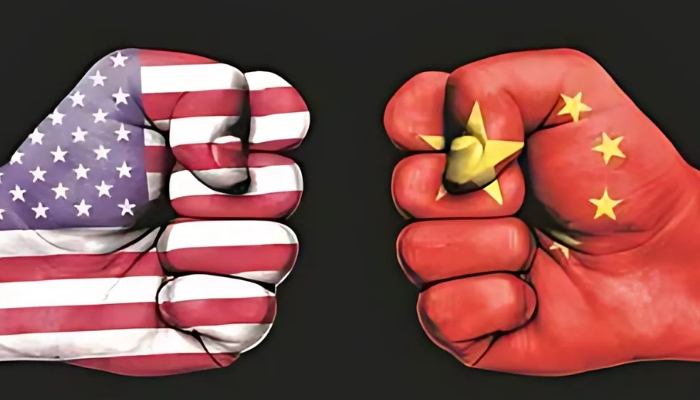
The 2026 Iran–Iraq War is a major international conflict that began on February 28, 2026, involving Iran on one side and the United States and Israel on the other, with several regional actors indirectly participating. This conflict represents one of the most significant geopolitical crises in the Middle East in recent history, with profound implications for global security, international law, and the world economy.
The origins of the 2026 Iran War can be traced back to decades of strained relations between Iran and Western powers, particularly the United States, as well as longstanding hostility between Iran and Israel. These tensions have revolved around several critical issues.
One of the central concerns has been Iran’s nuclear program. Western countries haveconsistently expressed fears that Iran seeks to develop Nuclear Weapons. Iran, however, has maintained that its nuclear activities are intended for peaceful purposes such as energy production and scientific research.
In addition to nuclear concerns, Iran’s development of ballistic missile technology has further heightened tensions. These capabilities are viewed as a direct threat by both Israel and U.S. strategic interests in the region.
Another major factor is Iran’s regional influence. Iran has supported various groups across the region, including Hezbollah in Lebanon, as well as allied forces in Iraq, Syria, and Yemen. This has contributed to a broader geopolitical rivalry.
Diplomatic efforts, including the Joint Comprehensive Plan of Action, temporarily reduced tensions, but by the mid-2020s these agreements had largely collapsed.
The conflict officially began on 28 February 2026, when the United States and Israel launched coordinated airstrikes against Iranian targets. These included nuclear facilities, military bases, missile installations, and command centers.
The attacks were described as preemptive actions taken in self-defense to prevent Iran from acquiring nuclear weapons.
Reports indicated that several senior Iranian officials were killed, including Supreme Leader Ali Khamenei, though this claim remains controversial.
Iran responded rapidly with a series of retaliatory actions. These included ballistic missile strikes targeting Israeli cities and military installations, along with drone attacks.
U.S. military bases in Iraq, Qatar, and the United Arab Emirates were also targeted.
A significant escalation occurred when Iran closed the Strait of Hormuz, a vital route for global oil shipments. This disrupted global trade and energy markets.
The war quickly expanded across the region. Saudi Arabia and the United Arab Emirates supported U.S. operations.
Iraq became a major battleground due to the presence of both U.S. forces and Iranian-backed militias.
In Lebanon, Hezbollah launched attacks against Israel, while Syria also saw increased military activity.
Non-state actors played a major role, expanding the scale of the conflict beyond conventional warfare.
The war has involved modern military strategies and advanced technology.
Extensive airstrike campaigns were conducted by the United States and Israel.
Iran relied heavily on its missile arsenal to strike distant targets, including urban areas.
Drone warfare became a defining feature, allowing both sides to conduct precision attacks.
In addition, cyberwarfare targeted infrastructure such as power systems and communications networks.
The conflict has generated significant debate over its legality. Critics argue that the strikes violated international law and were not authorized by the United Nations.
Supporters argue that the actions were justified as preemptive self-defense.
The international community remains divided, with some countries supporting the United States and Israel, while others have called for de-escalation and diplomacy.
The war has had severe global economic consequences.
The closure of the Strait of Hormuz led to a sharp rise in oil prices, causing inflation and economic disruption worldwide.
Global markets became unstable, and international trade slowed significantly. Transportation costs increased, and air travel routes were disrupted.
The scale of the disruption has been compared to the 1973 oil crisis.
Diplomatic efforts were initiated to reduce tensions. Pakistan reportedly played a mediating role.
In April 2026, a temporary ceasefire was agreed upon, lasting approximately two weeks. During this period, humanitarian aid was delivered and negotiations resumed.
However, the ceasefire did not result in a long-term resolution.
The humanitarian consequences have been severe.
Thousands of civilians have been killed or injured due to airstrikes and missile attacks.
Critical infrastructure such as hospitals, schools, and power systems has been heavily damaged.
Millions of people have been displaced, leading to a regional refugee crisis.
Humanitarian organizations have struggled to provide assistance due to ongoing security risks.
The conflict remains ongoing and unstable. While large-scale fighting has decreased at times, tensions remain high.
The involvement of multiple countries and non-state actors makes resolution complex.
Diplomatic efforts continue, but a lasting peace agreement has not yet been achieved.
The 2026 Iran War represents a complex geopolitical conflict rooted in long-standing tensions involving nuclear concerns, regional influence, and strategic rivalry.
Its consequences extend beyond the battlefield, affecting global economic stability, humanitarian conditions, and international law.
The outcome of the conflict will likely shape the future of the Middle East and influence global politics for years to come.
The 2026 Iran–Iraq War is a major international conflict that began on February 28, 2026, involving Iran on one side and the United States and Israel on the other, with several regional actors indirectly participating. This conflict represents one of the most significant geopolitical crises in the Middle East in recent history, with profound implications for global security, international law, and the world economy.


.jpg)



Comments